
cutting float glass
How to Turn Off a Water Valve A Step-by-Step Guide Turning off a water valve is a crucial skill for homeowners and renters alike. Whether you are addressing a plumbing issue, conducting repairs, or preparing for a winter season, knowing how to properly shut off your water supply can save you from costly damages and ensure a safe living environment. In this guide, we will walk you through the steps to turn off your water valve effectively. Step 1 Locate the Water Valve The first step in turning off your water supply is to locate the main water valve. This valve is typically found near where the water line enters your home. Common locations include - Basement or Crawl Space If your home has a basement, the main water valve is often located there. - Outside In some houses, the water valve can be found on an exterior wall or in an underground valve box close to the street. - Near the Water Heater Sometimes, the main valve is situated near the hot water heater. Tip If you have trouble locating the valve, follow the main water line from the municipal connection into your home. Step 2 Identify the Type of Valve Water valves come in different types, and it's essential to know which type you are dealing with to proceed correctly. The most common types include - Gate Valve This type features a round handle that you turn clockwise to close the valve. - Ball Valve Look for a lever or handle. For a ball valve, you typically turn the lever 90 degrees to shut it off. - Compression Valve This valve has a round handle that you will turn clockwise to shut off the water. Step 3 Turn Off the Valve Now that you have located your valve and identified its type, it’s time to turn it off . - For Gate Valves Turn the handle clockwise until it can’t turn anymore. This may take several rotations. - For Ball Valves Turn the lever perpendicular to the pipe to shut off the valve. - For Compression Valves Turn the handle clockwise until firmly closed. how to turn off water valve Step 4 Test the Valve After turning off the valve, it is wise to check and ensure that the water supply has been effectively cut off. To do this 1. Turn on a faucet in your home, ideally one on the same level as the valve, and observe if water is still running. 2. If there is no water flow, congratulations! You have successfully turned off the water supply. Step 5 Drain the Pipes (if necessary) If you are planning a significant plumbing project or leaving your home for an extended period, it may be beneficial to drain the pipes. Here’s how to do it 1. Open the faucets in your home to allow any remaining water to escape. 2. Flush the toilets to empty the tanks. 3. You may also want to drain the water heater to prevent any issues during your absence. Step 6 Turn the Water Back On Once your repairs or maintenance tasks are complete, you will need to turn the water back on. To do this, follow the same steps in reverse 1. Locate the water valve. 2. Identify the type of valve. 3. Turn the valve counterclockwise for gate and compression valves, or switch the lever back to parallel for ball valves. 4. Turn on a faucet to let air out of the pipes and check for leaks. Conclusion Knowing how to turn off the water valve is an essential skill that can help you manage plumbing issues effectively. Whether you are handling a minor leak or shutting off the water for repairs, following these steps ensures you do it safely and efficiently. Always remember to locate the valve in advance, familiarize yourself with its type, and take the necessary precautions to protect your home from water damage. Taking these steps can empower you to handle plumbing concerns with confidence.
about
cutting float glass
Metal water valves are pivotal in the infrastructure of modern plumbing systems, acting as essential components that control the flow and pressure of water. These valves are crafted to meet rigorous standards of durability and reliability, making them a favorite among professionals in the plumbing and construction industries. Experience has shown that the material composition of metal water valves, such as brass, stainless steel, and cast iron, contributes significantly to their performance and longevity. Brass valves, known for their excellent thermal conductivity and corrosion resistance, are often recommended for residential settings. On the other hand, stainless steel valves provide superior strength and resistance to extreme temperatures, making them ideal for industrial applications. Cast iron valves, valued for their robustness, are frequently used in large-scale water distribution systems. Choosing the right metal water valve is crucial, as it influences not only the efficiency of the water system but also the safety and environmental sustainability of the setup. In terms of expertise, it’s important to consider several factors, such as the pressure rating, temperature range, and specific use-case scenarios. For instance, while gate valves are perfect for on-off control, globe valves offer precise regulation of flow, making them suitable for complex plumbing systems that require fine-tuned control. The authoritativeness of a good metal water valve is reflected in its certification and compliance with international standards, such as those from the American Society for Testing and Materials (ASTM) and the International Organization for Standardization (ISO). Valves that adhere to these standards assure users of their capability to withstand challenging conditions and deliver consistent performance over their lifespan. metal water valve Trustworthiness is equally vital when considering metal water valves. Products from established manufacturers come with warranties and extensive customer support, underscoring their commitment to quality and reliability. Installation and maintenance services offered by these manufacturers ensure that the valves function optimally from day one and are serviced promptly to prevent any operational hiccups. Moreover, advancements in technology have led to the integration of smart features in metal water valves, allowing users to remotely monitor and control their water systems. This innovation not only enhances the operational efficiency of the valves but also contributes to water conservation efforts by detecting leaks early and preventing water wastage. In summary, metal water valves are indispensable components that embody a blend of experience, expertise, authoritativeness, and trustworthiness. Whether for residential, commercial, or industrial purposes, the selection of the appropriate valve is key to ensuring a smooth and efficient water management system. As technology continues to evolve, so do these valves , offering smarter solutions and contributing to sustainable water use practices worldwide.
-

High quality industrial productsagement

High quality industrial products
View Details -

Meet the diverse needs of customers

Meet the diverse needs of customers
View Details -

Strict quality control

Strict quality control
View Details -

Top raw materials

Top raw materials
View Details -

Trusted supplier

Trusted supplier
View Details
Our application


news and information
Using Ring Gauges for Precision Measurement and Quality Control in Industrial Applications
The Importance of Ring Gauges in Quality Control In the realm of manufacturing and engineering, prec
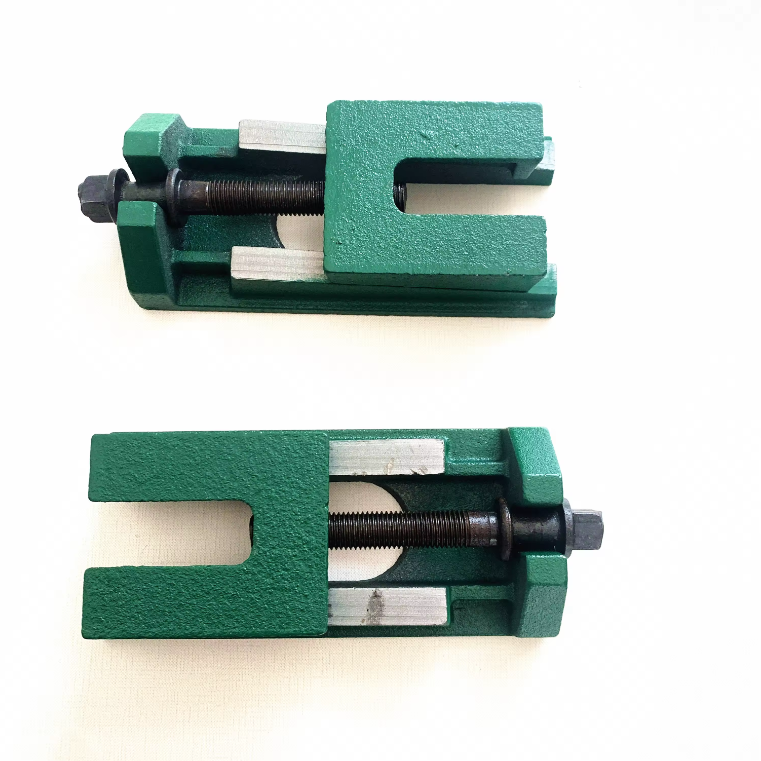
Vanne de porte d'étanchéité douce électrique
Les vannes à guillotine de 14 pouces une solution robuste pour les systèmes complexes Lorsqu'il s'a
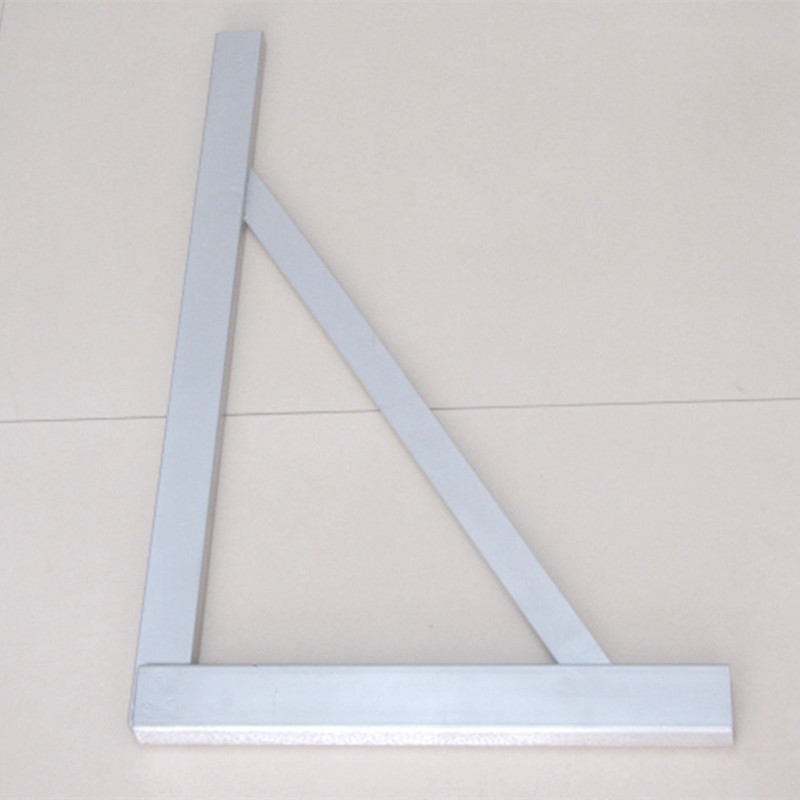
Valvole a farfalla da 14% per applicazioni industriali e soluzioni innovative.
14 gate valve .
 English